The landscape of manufacturing is rapidly changing, driven by advanced technologies like 3D printing. As global buyers consider their strategies, understanding what are the future trends of 3D printing becomes crucial. The market is expected to reach $44.5 billion by 2026, according to a report by MarketsandMarkets. This growth reflects a significant shift toward customization and efficiency in production processes.
Recent developments indicate that industries such as healthcare and automotive are at the forefront of these trends. In healthcare, for example, 3D printing enables the production of patient-specific implants and tissues, promising improved outcomes. However, challenges remain, including material limitations and regulatory hurdles that need to be addressed.
Investments in 3D printing technologies are accelerating, but not all firms are adapting equally. Some companies may overlook critical advancements or fail to integrate these technologies effectively. Buyers must stay informed about these trends to maintain competitiveness. With the right insights, they can leverage 3D printing to optimize their supply chains and enhance product offerings, ultimately driving value in their markets.
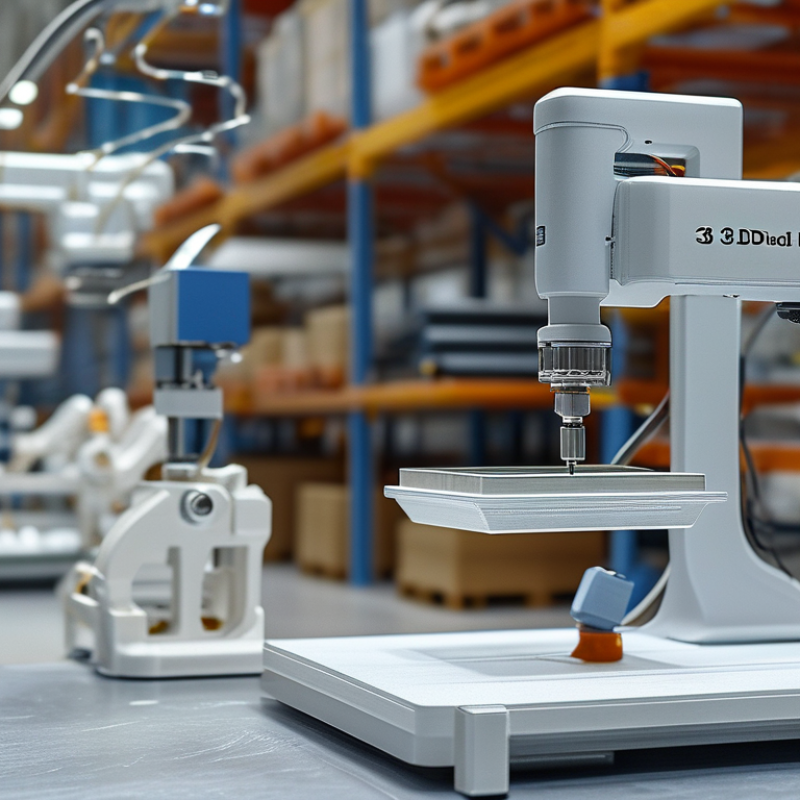
The Role of 3D Printing in Reducing Production Costs Globally
3D printing technology is reshaping production landscapes. It offers innovative ways to decrease costs for manufacturers worldwide. According to a report by SmarTech Analysis, 3D printing can reduce production costs by up to 90% in specific applications. This reduction results from minimizing material waste and lowering transportation costs. Manufacturing on demand can lead to significant savings.
Global buyers are increasingly attracted to these cost efficiencies. A Deloitte study showed that 40% of manufacturers reported reduced costs and longer product life cycles due to additive manufacturing. This technology allows for customization, which traditional methods struggle to achieve. However, companies must adapt their supply chains accordingly, as reliance on 3D printing affects inventory management.
Despite these benefits, challenges remain. Quality control in 3D printing can be inconsistent. Organizations need to invest in skilled professionals who understand this technology. Additionally, the ecological impact of materials used in 3D printing is still under scrutiny. As the industry evolves, balancing cost savings with sustainability will be crucial. The future of production lies in refining these processes while addressing underlying concerns.
Emerging Materials in 3D Printing: Transforming Product Quality and Durability
The field of 3D printing is rapidly evolving, with a significant focus on emerging materials that enhance product quality and durability. According to a report by MarketsandMarkets, the 3D printing materials market is expected to reach $3.49 billion by 2024, indicating a robust growth trajectory. Innovations in materials, such as high-performance polymers and metal alloys, are opening new avenues for creating products that not only meet design specifications but also resist wear and environmental stress.
When considering new materials, it is essential for global buyers to evaluate their specific applications. For instance, thermoplastics like PEEK provide exceptional thermal stability, making them suitable for aerospace components. However, these materials can be expensive and may require specialized printing conditions. Additionally, investments in materials with higher durability often lead to a more significant upfront cost but can result in reduced maintenance and replacement expenses in the long term.
Tip: Always request a material data sheet to understand the performance characteristics. This can guide your decisions on material choices.
The challenge lies in balancing
cost and
performance. While some emerging materials promise superior durability and functionality, not all may fit every project requirement. Analyzing long-term
value against initial expenditures is crucial. Manufacturing trends indicate a stronger focus on sustainable materials, which could further influence purchasing decisions. Exploring biodegradable options could serve both environmental goals and regulatory compliance.
Tip: Assess your suppliers for their material sourcing practices. A transparent supply chain can lead to better quality assurance.
Advancements in 3D Printing Technology: Impact on Supply Chain Efficiency
The advancements in 3D printing technology significantly influence the efficiency of global supply chains. A recent study by Deloitte highlights that 3D printing can reduce prototyping costs by up to 90%. This remarkable reduction makes it easier for companies to test and iterate on designs quickly. With 3D printing, businesses shorten their product development cycles, allowing for a faster market entry.
Manufacturers can now produce customized products with minimal waste. This is critical in a world where sustainability matters. According to a report by Wohlers Associates, the 3D printing industry is projected to reach $35 billion by 2024, emphasizing its growing relevance. Companies utilizing this technology often achieve a 30% reduction in lead times. However, challenges remain, such as quality control and the need for skilled personnel. These hurdles must be acknowledged as industries adapt to the evolving landscape.
Flexibility is another key benefit. Businesses can efficiently respond to market demands without keeping large inventories. A report from McKinsey indicates that companies using 3D printing can cut inventory costs by up to 60%. Yet, the initial investment can be significant, and organizations must weigh the long-term benefits against upfront costs. This balance requires careful consideration as the technology continues to shape supply chain dynamics.
Why Are 3D Printing Future Trends Important for Global Buyers?
| Trend |
Description |
Impact on Supply Chain Efficiency |
Potential Cost Savings (%) |
Implementation Timeline |
| Customization |
3D printing allows for high levels of product customization without significant cost increases. |
Reduces lead times and minimizes waste. |
15-30% |
1-2 years |
| On-Demand Manufacturing |
Production of items only as needed, reducing storage costs. |
Enhances inventory management and reduces surplus. |
20-40% |
6 months - 1 year |
| Material Innovation |
New materials are being developed to improve strength and reduce costs. |
Improves product durability and performance. |
10-25% |
1-2 years |
| Decentralized Production |
Local production reduces transportation needs and carbon footprints. |
Decreases delivery times and increases flexibility. |
20-50% |
2-3 years |
| Supply Chain Visibility |
3D printing enhances tracking and monitoring across the supply chain. |
Improves decision-making and responsiveness to market changes. |
5-15% |
Ongoing |
Market Growth: The Projected Value of 3D Printing by 2025 and Beyond
The 3D printing market is set to experience remarkable growth by 2025, with projections reaching up to $44 billion. This surge highlights how vital 3D printing is becoming for various industries. Global buyers are increasingly realizing the benefits of streamlined production processes. Customization becomes more achievable, making it easier to meet specific consumer demands.
Industries are investing heavily in 3D printing technologies. The automotive sector, for example, is utilizing it for rapid prototyping and lightweight components. This shift leads to faster turnaround times and reduced costs. However, challenges remain. As adoption increases, ensuring quality standards becomes crucial. Some companies still struggle with integrating 3D printing into their existing operations.
Sustainability is also a pressing concern. The materials used in 3D printing often raise questions about environmental impact. While innovations continue to emerge, buyers must consider not only the benefits but also the long-term effects of their choices. Balancing efficiency with sustainability will be essential as the market evolves. Understanding these dynamics will empower global buyers to make informed decisions.
Sustainability in 3D Printing: Addressing Environmental Concerns for Buyers
Sustainability in 3D printing has become a focal point for global buyers. The industry generated approximately $13.4 billion in 2020, with projections to reach $34.8 billion by 2026. This rapid growth raises environmental concerns. Traditional manufacturing consumes vast resources and produces significant waste. In contrast, 3D printing can minimize excess material. Reports suggest that additive manufacturing uses up to 90% less material for certain applications.
However, the environmental impact of 3D printing is not entirely positive. The production of certain filaments, like those based on petroleum, still contributes to pollution. Meanwhile, only 1% of 3D-printed parts are currently recycled. There is a clear need for sustainable materials. Recent studies indicate that bioplastics can significantly reduce the carbon footprint of 3D printing. By exploring these alternatives, buyers can address ecological issues while enhancing product innovation.
Investing in sustainable practices can lead to long-term benefits. Buyers often seek to align with eco-conscious values. Adopting greener technologies can attract customers who prioritize environmental responsibility. Yet, the transition is not seamless. It requires careful evaluation of materials and processes. Awareness and adaptability are key in navigating this evolving landscape.
Future Trends in 3D Printing and Sustainability
FAQS
: 3D printing can lower production costs by minimizing material waste and decreasing transportation costs.
Emerging materials enhance product quality and durability, often leading to reduced maintenance costs over time.
Customization is achievable through 3D printing, allowing manufacturers to meet specific consumer demands effectively.
Consistent quality control remains a challenge, requiring skilled professionals to oversee the process.
The 3D printing market is projected to reach $44 billion by 2025, indicating its growing importance across industries.
Buyers should analyze the specific application's requirements, as material performance can vary significantly.
The materials used in 3D printing often have environmental impacts that buyers must evaluate thoroughly.
Companies must adjust their supply chains due to 3D printing's impact on inventory management.
Companies often face challenges in adopting 3D printing while ensuring quality standards are maintained.
Analyzing long-term value against initial expenses is crucial for making informed material choices.
Conclusion
The article titled "Why Are 3D Printing Future Trends Important for Global Buyers?" explores key factors influencing the evolution of 3D printing and its significance for international markets. It emphasizes how 3D printing is reducing production costs globally, making it a more viable option for manufacturers. Emerging materials are transforming product quality and durability, allowing for innovations in various sectors. Technological advancements are enhancing supply chain efficiency, proving crucial for faster and more flexible production processes.
Moreover, the market growth projections indicate a substantial increase in the value of 3D printing by 2025 and beyond. The article also addresses sustainability as a pressing concern, highlighting how innovations in 3D printing can help mitigate environmental impacts, thus appealing to conscious consumers. Overall, understanding what the future trends of 3D printing are is vital for global buyers looking to capitalize on these advancements for strategic growth and sustainability in their operations.

 Diem printer