Which 3D Printing Method is Best for Prototyping Needs?

Time:2026-06-10 Author:Charlotte
0%

In the evolving landscape of product development, selecting the right 3D printing method is crucial. Many designers and engineers face a common question: which 3D printing method is best for prototypes? This decision can greatly impact project timelines, costs, and overall quality. Various 3D printing technologies exist, each with unique advantages and limitations.

To identify the most suitable method, it's essential to consider specific requirements. Factors such as material choice, desired accuracy, and production speed play significant roles. For instance, SLA is known for its high precision, ideal for intricate designs. On the other hand, FDM may be more accessible and cost-effective for basic prototypes.

Still, relying solely on a single method can be limiting. As needs change, a versatile approach may be necessary. Reflecting on past choices can provide valuable insights. The goal is to find a balance between functionality and efficiency, ensuring that the final prototype meets expectations without significant setbacks.
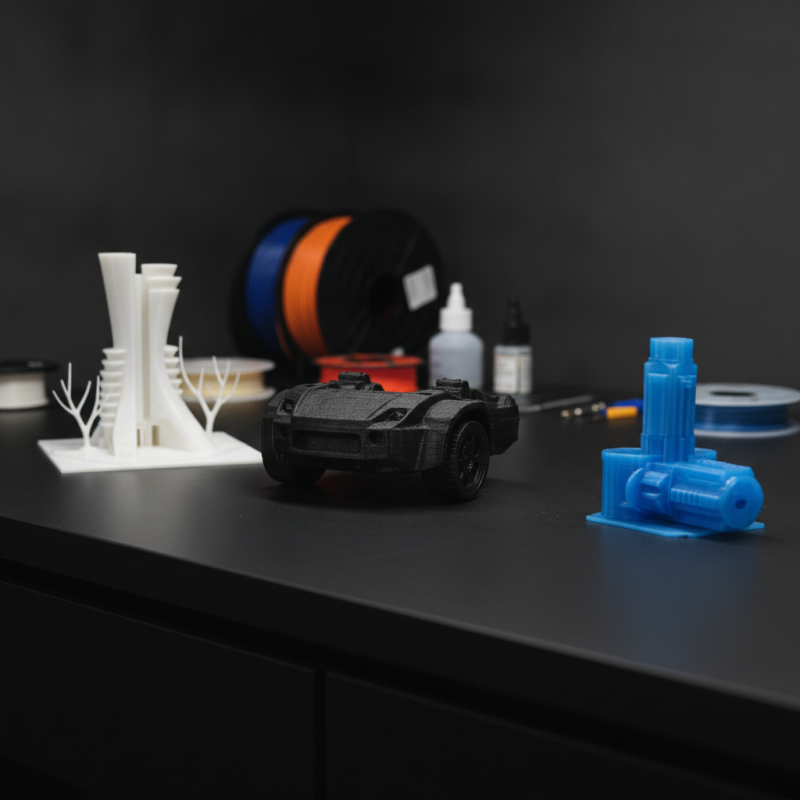
Which 3D Printing Method is Best for Prototyping Needs?

Overview of 3D Printing Methods for Prototyping

3D printing has transformed the prototyping landscape. Each method offers unique benefits and challenges. Understanding these options is crucial for effective prototyping.

Fused Deposition Modeling (FDM) is popular among many. It's relatively easy and cost-effective. FDM uses thermoplastic filaments to create prototypes layer by layer. However, the resolution can be lower than other methods. This might impact details in intricate designs.

Stereolithography (SLA) is another viable choice. It provides high precision and smooth surfaces. SLA uses a light source to cure liquid resin. While it produces stunning results, the materials can be more expensive. Printing time can also be longer depending on the complexity.

Selective Laser Sintering (SLS) excels in durability. It uses a laser to fuse powdered materials, making prototypes robust. Yet, it may require post-processing to achieve desired finishes. Each method has trade-offs. Evaluating project needs is essential for making an informed decision.

Key Factors to Consider When Choosing a 3D Printing Method

When selecting a 3D printing method for prototyping, several key factors come into play. The nature of the project largely determines the best approach. Each method has its strengths, offering different material properties, precision levels, and build speeds. For instance, Fused Deposition Modeling (FDM) is popular due to its accessibility and cost-effectiveness. However, its layer lines might not be ideal for fine details.

Material selection is another crucial aspect. Different methods support varying materials, affecting the prototype's durability and appearance. Stereolithography (SLA) produces smooth finishes and intricate designs but can be more expensive. It might not be suitable for every prototyping scenario, though. Some designs may require strength, while others prioritize aesthetics.

Time constraints can also influence your choice. If rapid prototyping is essential, methods like Selective Laser Sintering (SLS) may be preferable due to their speed. Yet, the initial setup costs can be high. Reflecting on the project's specific needs reveals that the "best" method is subjective. It's essential to consider trade-offs among cost, speed, and quality to find the best fit for each unique project.

3D Printing Methods Comparison for Prototyping

Comparative Analysis of FDM, SLA, and SLS Techniques

When it comes to prototyping, selecting the right 3D printing method is crucial. Fused Deposition Modeling (FDM) is widely appreciated for its affordability and ease of use. Studies show that FDM printers can produce prototypes quickly, which is crucial in fast-paced development environments. However, not all FDM prints meet high precision requirements. Layer lines may affect aesthetics and fit. Designers often revisit their models to refine these aspects, asking if the benefits outweigh the limitations.

Stereolithography (SLA) offers high accuracy and smooth finishes. Industry data indicates that SLA can produce prototypes with a layer resolution as fine as 25 microns. This makes it ideal for complex designs. Yet, SLA is not void of challenges. The material cost is higher, and the post-processing time can be substantial. Designers frequently grapple with whether the superior detail justifies the expense and effort involved.

Selective Laser Sintering (SLS) is recognized for its ability to use various materials, including nylon and metals. This versatility enables functional prototypes that can withstand testing. Moreover, SLS does not require support structures, which reduces waste. However, the equipment costs and the need for further finishing processes can pose challenges for some. Many designers find themselves reconsidering their strategies as they weigh the long-term benefits against initial costs.

Applications and Limitations of Each 3D Printing Method

When considering 3D printing methods for prototyping, it’s important to weigh their applications and limitations. Fused Deposition Modeling (FDM) is popular for its accessibility and cost-effectiveness. It’s great for creating functional prototypes but struggles with intricate details and surface finish. This can be a drawback when precision is needed.

Stereolithography (SLA) offers high-resolution prints and is ideal for detailed prototypes. However, it requires post-curing and may have difficulties with larger builds. The materials can be expensive, and sometimes the finished product lacks durability. These factors are vital when planning your prototype needs.

Tips: Always consider the end use of your model. Understand how the final product has to function. If you need durability, explore stronger materials.

Selective Laser Sintering (SLS) is excellent for complex geometries. It doesn’t require support structures, but it has a higher material cost. It can also be harder to scale for large volumes. Balancing quality and budget is essential.

Tips: Try to prototype with a less expensive method first. Assess the feasibility before moving to more advanced techniques. Being adaptable in your approach will save time and resources.

Which 3D Printing Method is Best for Prototyping Needs?

3D Printing Method Applications Advantages Limitations
FDM (Fused Deposition Modeling) Functional prototypes, low-cost parts Cost-effective, simple operation, wide material options Lower resolution, not suitable for complex geometries
SLA (Stereolithography) High-detail prototypes, jewelry, dental models High resolution, smooth surface finish Higher costs, limited material options, post-processing required
SLS (Selective Laser Sintering) Functional prototypes, complex parts Strong, durable parts, no support structures required High initial investment, longer print times
DLP (Digital Light Processing) High precision models, detailed prototypes Fast printing speed, high detail Limited material options, post-curing needed
Multi Jet Fusion Production-grade parts, intricate designs Great mechanical properties, rapid production High cost, specific material requirements

Future Trends in 3D Printing for Prototyping Needs

As 3D printing technology evolves, its implications for prototyping become increasingly sophisticated. Current trends show a shift toward more versatile materials, enhancing functionality. Menial tasks are automated, but the design phase still requires human creativity. This blend of technology and intuition shapes effective prototypes.

Sustainability is emerging as a key concern. Many designers are exploring eco-friendly materials. These innovations play a role in reducing waste and energy consumption. However, the challenge remains in balancing performance and environmental impact. Not all biodegradable options showcase the same mechanical strength as traditional materials.

Emerging technologies, like digital light processing, can enhance detail. Yet, the learning curve can be steep. Integrating these advanced techniques into workflows demands both time and training. Understanding the nuances of each method is crucial for effective prototyping. The journey isn't devoid of hurdles, but the potential for innovation is immense.

FAQS

: What is Fused Deposition Modeling (FDM)?

: FDM is a popular 3D printing method. It uses thermoplastic filaments to create prototypes layer by layer.

What are the advantages of using FDM?

FDM is cost-effective and accessible. It's easy to use for creating functional prototypes quickly.

What are the limitations of FDM?

FDM has lower resolution compared to other methods. This can affect intricate designs and fine details.

What is Stereolithography (SLA)?

SLA is a 3D printing method that uses light to cure liquid resin. It produces high precision and smooth surfaces.

Why might SLA be a less suitable choice?

SLA materials can be expensive and may take longer to print. Larger builds can also present challenges.

What is Selective Laser Sintering (SLS)?

SLS uses a laser to fuse powdered materials together. This method produces robust and durable prototypes.

What are the advantages of SLS?

SLS excels in complex geometries and does not require support structures. This can save time during the printing process.

What challenges does SLS face?

SLS has higher material costs and can be hard to scale for large volumes. Budgeting is essential in such cases.

How should one choose a 3D printing method?

Consider project needs, material properties, and precision levels. Reflecting on trade-offs is crucial for informed decisions.

What tips should be kept in mind for prototyping?

Prototype using less expensive methods first. This allows for assessment before investing in advanced techniques.

Conclusion

In the exploration of which 3D printing method is best for prototypes, various techniques offer distinct advantages and limitations. The article provides an overview of the primary 3D printing methods suitable for prototyping—Fused Deposition Modeling (FDM), Stereolithography (SLA), and Selective Laser Sintering (SLS). It highlights critical factors to consider when selecting a method, such as material compatibility, precision, production speed, and cost-effectiveness.

The comparative analysis delves into the specific applications and constraints of each technique, guiding users in making informed decisions based on their unique prototyping needs. As 3D printing continues to evolve, understanding future trends will be essential for optimizing prototyping processes and ensuring that chosen methods align with technological advancements and market demands.

Charlotte

Charlotte

Charlotte is a seasoned marketing professional with a deep understanding of the company's portfolio and a passion for elevating its presence in the market. With a keen eye for detail and a commitment to excellence, she ensures that our professional blog is regularly updated with insightful articles......