Choosing the right printing technique can greatly impact your project’s success. “When deciding how to choose between screen printing and digital foil stamping, consider your goals and budget,” says Mark Thompson, a leading expert in custom printing techniques. Screen printing is ideal for larger volumes and vibrant colors. It offers durability and a wide range of materials.
Digital foil stamping, however, excels in achieving high-end finishes and intricate designs. It’s suitable for smaller runs and detailed artwork. Mark emphasizes, “Your choice should reflect both aesthetic appeal and functional needs.”
Think about your project’s requirements. There’s a temptation to prioritize visual elements over practicality. Finding the balance is essential. Reflect on the intended audience and the message you want to convey. This decision could define the impact of your materials.
Understanding Screen Printing and Digital Foil Stamping Basics
When considering printing methods, screen printing and digital foil stamping each have unique characteristics. Screen printing involves creating a stencil and pushing ink through it onto fabric. This method excels in producing vibrant colors and durable designs. It's ideal for large runs, as the setup process can be time-consuming. However, the turnaround time may increase with intricate designs. You may face limitations with gradients or fine details, which require careful planning.
Digital foil stamping, on the other hand, offers a different approach. It uses heat and pressure to apply metallic foil to a surface. This technique allows for stunning, reflective results. You can achieve fine details and intricate patterns with minimal setup time. Yet, it may not be suitable for larger orders due to cost. Moreover, the types of materials can limit the foil effects. Choosing between these methods requires careful consideration of your project’s specifics.
Understanding the basics of these techniques helps make informed decisions. Both methods provide distinct advantages and challenges. It is crucial to assess your design, budget, and production scale. Each approach has its own set of nuances and potential pitfalls to reflect on.
Comparing the Cost of Screen Printing and Digital Foil Stamping
When choosing between screen printing and digital foil stamping, cost plays a crucial role. Screen printing typically involves a lower initial setup cost, especially for large orders. However, prices can rise quickly with added colors. Each color requires a separate screen, increasing the overall expense. Thus, for bulk orders with a limited color palette, screen printing may be the economical choice.
Digital foil stamping, on the other hand, provides a luxurious finish. While it often comes with a higher price tag, it offers detail and quality that screen printing might not achieve. The setup costs are generally lower, especially for small runs or items with intricate designs. This method eliminates the need for multiple screens. The trade-off here is clear; you pay more for sophistication and precision.
Both options present unique challenges. Screen printing can lead to inconsistencies if not executed well. Digital foil stamping may struggle with larger runs, where time and costs can inflate. Your choice will depend on your priorities: budget versus design quality. Reflecting on your specific needs can lead to a more informed decision, despite both methods having their own merits and drawbacks.
Evaluating Design Complexity for Each Printing Method
When evaluating design complexity for screen printing and digital foil stamping, it’s vital to consider the unique characteristics of each method. Screen printing is best for bold designs. This technique uses thick inks and can reproduce vivid colors efficiently. However, delicate details might not translate well, leading to potential loss of intricacy. If your design is intricate, screen printing may require careful adjustments.
Digital foil stamping shines with intricate designs. This method allows for fine details and subtle textures, making it suitable for complex graphics. The ability to use various colors and gradients offers flexibility in design. However, not all designs work seamlessly. Understanding the limitations will help in avoiding unexpected outcomes. Choosing the wrong method could mean sacrificing quality.
Assessing your design's complexity is crucial. Consider the colors, details, and textures involved. Some designs work beautifully with one method but may fall flat with another. Experimentation is often necessary. Be prepared for trial and error to find the best fit for your specific project. Every design tells a story; the printing method should enhance that narrative. Balancing complexity with technique is key to achieving the desired result.
Assessing Durability and Quality of Printed Materials
When selecting between screen printing and digital foil stamping, assessing the durability and quality of the printed materials is crucial. Each printing method has its own strengths and weaknesses, influencing the final product’s longevity. Screen printing is known for its vibrant colors and durability, making it ideal for bulk orders. However, it may fade faster than digital foil stamping, especially if exposed to sunlight or harsh conditions.
Digital foil stamping offers a unique aesthetic with metallic finishes. It provides precision and is suitable for smaller runs. While it typically has a shorter lifespan compared to screen printing, advancements in technology have improved its durability. Still, the quality can vary based on the type of surfaces and inks used.
Tips for Choosing the Right Method:
Consider the intended use of the printed material. If it will face outdoor conditions, screen printing may be the better choice. Test samples from both methods to compare feel and appearance. Be mindful that price differences can be significant. Evaluate your budget to ensure you make an informed decision.
Identifying Ideal Applications for Screen Printing and Foil Stamping
When deciding between screen printing and digital foil stamping, understanding the applications of each method is crucial. Screen printing excels in high-volume projects. It allows for vibrant colors on a variety of materials. It works best for designs that require solid colors and bold graphics. For instance, promotional t-shirts or signage are ideal candidates.
Digital foil stamping, on the other hand, shines with small runs and intricate designs. This technique offers a luxurious finish, perfect for invitations or business cards. The precision of digital printing lets you achieve fine details and gradients. Consider your project's needs carefully. If you seek complexity, digital foil may be the way to go. However, screen printing can still provide a classic, reliable option for simpler projects.
Choosing between these methods calls for careful consideration of cost and impact. Each technique has its strengths and weaknesses. Screen printing can be more economical for larger quantities, but can lack the fine detail digital foil offers. A thoughtful approach to your specific requirements can lead to the most effective choice. Balancing these options often requires reflection on your goals and artistic vision.
How to Choose Screen Printing or Digital Foil Stamping? - Identifying Ideal Applications for Screen Printing and Foil Stamping
| Application |
Ideal Method |
Reasons |
| T-shirts |
Screen Printing |
Durable, vibrant colors; cost-effective for large runs. |
| Business Cards |
Digital Foil Stamping |
Professional look, high impact, unique finishes. |
| Posters |
Screen Printing |
Large format, bold designs; suitable for various materials. |
| Packaging |
Digital Foil Stamping |
Attention-grabbing, premium feel; enhances brand perception. |
| Merchandise |
Screen Printing |
Economical for bulk orders; versatility in design. |
| Awards |
Digital Foil Stamping |
High-quality, shiny finish; makes awards stand out. |
FAQS
: Screen printing creates a stencil to push ink onto fabric. It produces vibrant colors and durable designs.
It’s ideal for large orders due to lower initial setup costs. Color limitations may pose challenges.
Digital foil stamping uses heat and pressure to apply metallic foil. It results in stunning, reflective finishes.
Screen printing is cheaper for large runs, but costs increase with colors. Digital foil is pricier but offers quality.
Screen printing is generally durable but may fade. Digital foil stamping has advancements but usually has a shorter lifespan.
Evaluate your design, budget, and how the material will be used. Reflect on your specific needs carefully.
Yes, screen printing struggles with fine details, but digital foil excels in precision for intricate designs.
Yes, it's not ideal for large orders due to costs and the type of materials can affect foil effects.
Get samples from both methods to compare feel and appearance. This helps inform your decision better.
Inconsistencies in screen printing can occur if not executed well. Reflect on project requirements to avoid issues.
Conclusion
When considering how to choose between screen printing and digital foil stamping, it's essential to understand the basics of each method. Screen printing is ideal for high-volume projects with simpler designs, while digital foil stamping offers vibrant colors and intricate details for smaller runs. Cost comparisons reveal that screen printing can be more cost-effective for large orders, while digital foil stamping may be preferable for high-impact graphics, despite potentially higher costs.
Furthermore, evaluating the complexity of your design is crucial; some designs may lend themselves better to one method over the other. Durability and quality are also key factors, with screen printing generally providing robust wear over time, whereas foil stamping offers a luxurious look but may not be as resilient. Ultimately, identifying the ideal application for each method is vital in making an informed decision that aligns with your project needs.
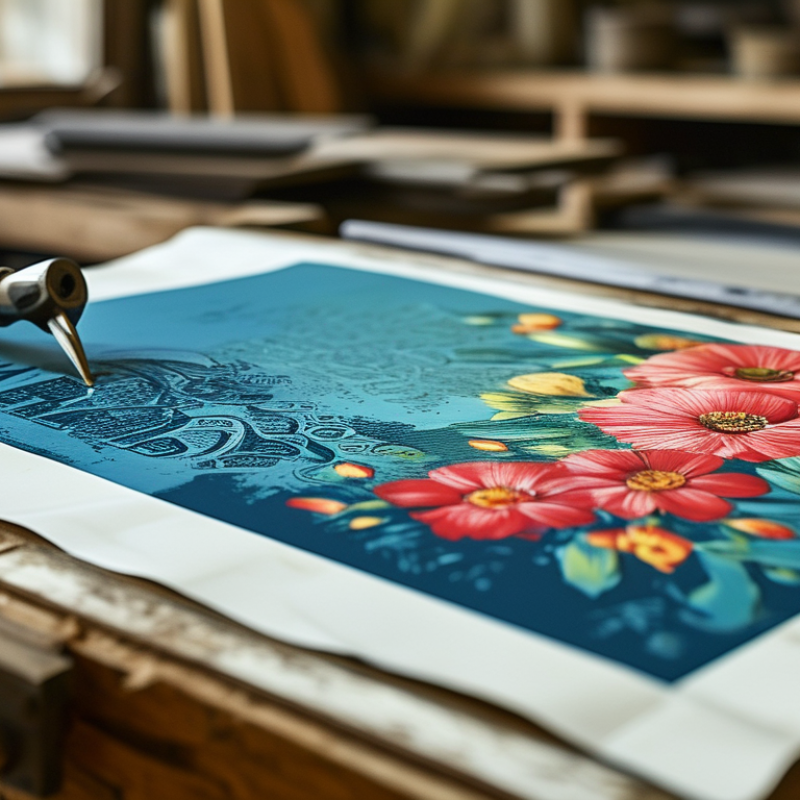

 Diem printer