3D printing has revolutionized manufacturing, but many wonder, "why is 3D printing so expensive?" This technology offers unique advantages. It allows for customization and reduces waste. However, the costs can add up quickly. Understanding the factors behind these high prices is essential for businesses and hobbyists alike.
Materials play a significant role in the expenses. High-quality filaments and resins often come with a hefty price tag. The machinery itself can also be costly. Professional-grade 3D printers can range from thousands to tens of thousands of dollars.
Moreover, labor costs and expertise impact overall expenses. Skilled operators are needed to ensure optimal results. Maintenance and software updates can also contribute to the financial burden. Reflecting on these aspects helps illuminate the true costs. Recognizing this complexity is vital for anyone considering 3D printing.
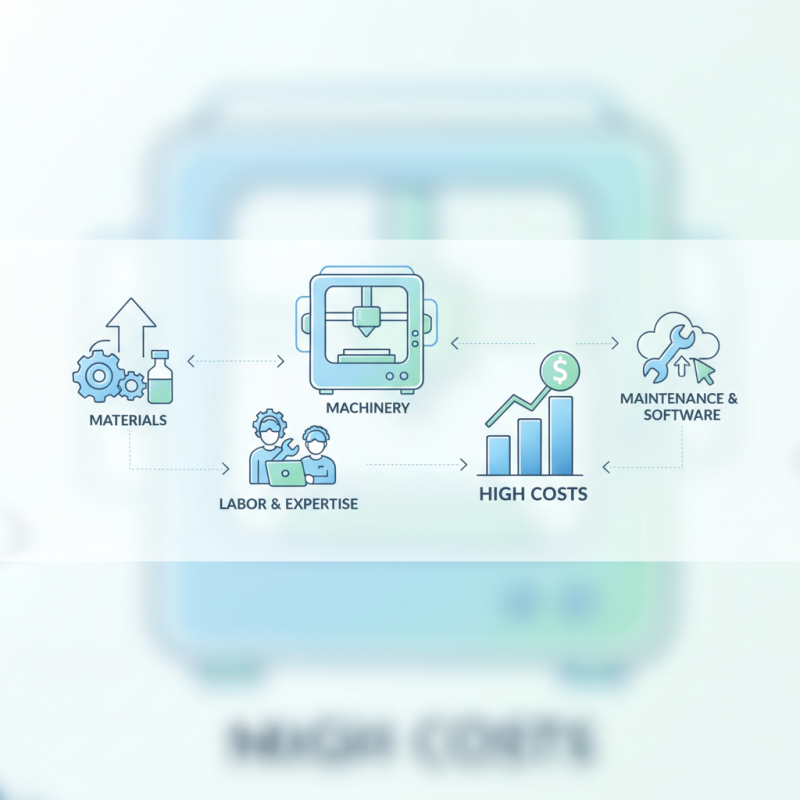
3D printing offers incredible possibilities, but the costs can be daunting. Several key factors contribute to this high price tag. One significant aspect is the raw material expenses. High-quality filaments and resins can be much pricier than conventional materials. These materials often require specific properties for successful printing, which drives up their costs.
Another crucial factor is the machine technology itself. Advanced printers use sophisticated components that enhance precision. These high-end machines often require substantial initial investments. Maintenance and repair also add to the overall expenses. Furthermore, operating costs like energy consumption can increase the financial burden.
Finally, labor costs play an important role. Skilled technicians are often needed to calibrate and operate 3D printers effectively. Their expertise is essential in achieving high-quality outcomes. This necessity for skilled labor can lead to elevated costs for businesses. Understanding these elements helps clarify why 3D printing can become a costly endeavor. Recognizing these challenges can lead to better budgeting and planning in projects.
3D printing has transformed various industries, but one significant hurdle remains: material costs. The raw materials used in 3D printing are often expensive, which can lead to high overall costs. Understanding these materials is crucial for anyone looking to invest in this technology.
Plastic filaments, resins, and metals are the core materials used. The price of these materials can vary dramatically. For instance, specialty filaments that provide unique properties can cost significantly more than standard ones. Researching and selecting the right materials is essential to keep costs manageable.
**Tip:** Buy in bulk. Purchasing larger quantities of commonly used materials can lead to discounts.
Another consideration is the quality of materials. Cheaper options may seem appealing, but they can lead to subpar prints. This can result in wasted time and money, as failed prints require redoing. Balancing quality and cost is vital for successful 3D printing.
**Tip:** Experiment with small batches. Test various materials to find the right balance between quality and cost-effectiveness.
Investing in 3D printing technology can be rewarding, but a clear understanding of material costs is essential. Always stay updated on market trends to optimize selection and pricing.
| Material Type | Average Cost per KG | Common Applications | Advantages | Disadvantages |
|---|---|---|---|---|
| PLA | $25 | Prototyping, Education | Biodegradable, Easy to Print | Lower Heat Resistance |
| ABS | $30 | Functional Parts, Toys | Durable, Good Mechanical Properties | Fumes When Heated |
| PETG | $35 | Containers, Mechanical Parts | Strong, Chemical Resistant | Can Be Hard to Print |
| Nylon | $50 | Functional Parts, Textiles | Flexible, Durable | Absorbs Moisture |
| Resin | $100 | Detail Parts, Jewelry | High Detail, Smooth Finish | Toxicity, Difficult to Handle |
Maintaining and operating 3D printers incurs various costs that are often overlooked. The initial purchase price is just the beginning. Users must consider ongoing maintenance. Regular upkeep includes cleaning, software updates, and parts replacements. Each of these can add up over time.
Materials for printing also contribute to the total cost. Filament, resin, or powder can be expensive. Selecting the right materials impacts both quality and budget. Some users may initially underestimate the quantity needed for consistent projects, leading to unexpected expenses. It’s essential to track material consumption closely.
Electricity costs should not be ignored. 3D printers require power, and depending on usage, expenses can accumulate quickly. Additionally, user errors may lead to wasted material and time. Learning curves exist in operating these machines. Mistakes happen, and they can be costly. Balancing these factors is crucial for anyone serious about 3D printing.
The cost of 3D printing can sometimes be surprising. One major factor is the skilled workforce. Professionals in this field bring essential expertise to the table. Their knowledge about materials, software, and design is crucial to ensuring success. When a printer jams or a model fails, expert input is necessary to troubleshoot these issues effectively.
Many businesses face challenges in finding qualified personnel. Training programs exist, but they are not widespread. The gap in skilled workers can drive up labor costs. A highly experienced technician commands a higher salary. It raises the overall expenses associated with 3D printing projects. Newer workers may lack the depth of knowledge, leading to costly mistakes and wasted materials.
Moreover, the field is evolving rapidly. Keeping up-to-date with new technologies requires ongoing education. It is a continuous investment for both employees and employers. This reality often leads to a disconnect between the potential of 3D printing and its utilization. Companies must recognize the value of expertise. Without a skilled workforce, the high costs may overshadow the benefits of this innovative manufacturing method.
The speed of 3D printing significantly impacts its overall cost. Faster production often requires advanced technology, which can be expensive. However, this speed can dramatically improve efficiency and reduce backlog. Every hour saved translates into lower labor costs and quicker delivery times.
In contrast, slower 3D printing methods might seem cheaper upfront but can lead to higher expenses in the long run. Longer production times can hinder project timelines and result in missed deadlines. This situation demands flexibility from businesses, which can further strain resources. Balancing quality with speed is crucial for sustainable practices.
Understanding these dynamics is essential. Not every project benefits from rapid printing. Sometimes, a slower process yields better results. Scrutinizing both time and speed allows for informed decisions. A delicate balance between cost, speed, and quality remains vital in the evolving landscape of 3D printing.
This chart illustrates the various cost components associated with 3D printing. Understanding these high costs is essential for evaluating production efficiency and optimizing expenses in the 3D printing process.
: Key factors include raw material expenses, machine technology, maintenance, and labor costs.
High-quality filaments and resins often have unique properties that drive their prices up significantly.
Purchasing in bulk can lead to discounts on commonly used materials.
Advanced printers require hefty initial investments and ongoing maintenance, adding to overall expenses.
Cheaper materials can lead to failed prints, wasting time and money, so quality should be a priority.
Faster printing can improve efficiency but requires advanced technology, which may be costly.
Slower methods might seem cheaper but can lead to missed deadlines and higher long-term costs.
Balance quality and cost, and experiment with small batches to find the best options for your projects.
Ignoring speed may hinder project timelines and affect resource management negatively.
Not necessarily. Sometimes, a slower process yields better quality results.
The high costs associated with 3D printing can be attributed to several key factors that potential users should understand. Firstly, the materials used in 3D printing are often expensive, impacting the overall production expenses significantly. Additionally, the maintenance and operational costs of 3D printers accumulate over time, further driving up expenses.
Moreover, the skilled labor required to operate and manage these advanced printers adds another layer to the financial burden. Finally, production efficiency, influenced by the speed and time taken to print, can also affect the overall costs. Thus, when considering "why is 3D printing so expensive," it's important to examine these interconnected factors that contribute to the financial implications of this innovative technology.

Diem printer